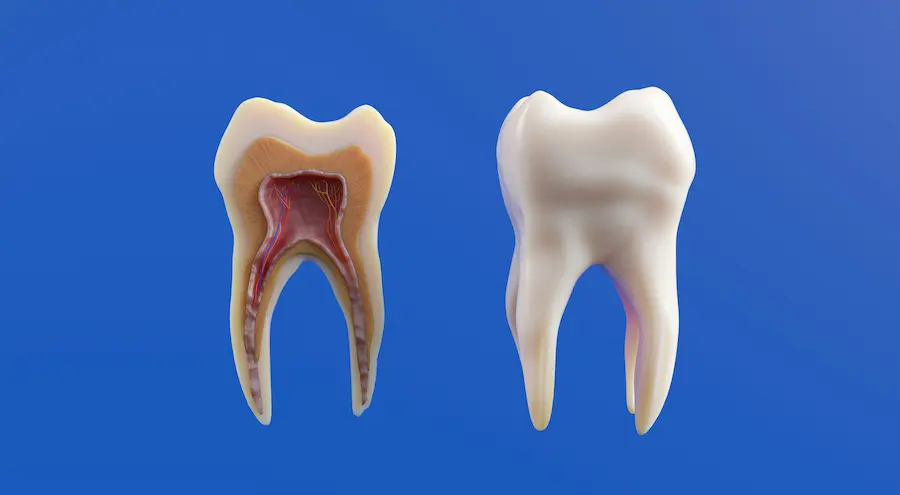
Wisdom teeth are the last set of molars to appear, usually between the young adult ages of 17 and 25. For some people, they grow in without a problem. For many others, though, these teeth cause discomfort, crowding, or even infections. That’s when removal often becomes the healthiest choice. If you’re in Wyomissing and wondering whether it’s time to have yours checked, here are the most common signs.
Jaw Pain and Pressure
One of the first indicators of wisdom teeth trouble is pain in the back of your mouth. You may feel soreness, pressure, or even stiffness in your jaw when you chew or open wide. This happens because wisdom teeth often don’t have enough space to grow in properly. As they press against nearby teeth or remain stuck beneath the gums, pain builds.
Swollen or Tender Gums
Do your gums feel sore or puffy behind your back molars? Wisdom teeth that are erupting (or trying to erupt) can irritate the surrounding tissue. You may notice redness, tenderness, or small areas of swelling. Sometimes food or bacteria get trapped around partially erupted teeth, which can lead to recurring gum infections.
Frequent Headaches or Earaches
Because of the pressure they create, wisdom teeth can cause pain that radiates beyond your mouth. It’s not unusual for patients to experience headaches or discomfort that feels like an earache. If you’ve had these symptoms without another clear cause, it’s worth asking whether wisdom teeth are to blame.
Shifting or Crowding Teeth
Even if you don’t feel pain, wisdom teeth can cause your smile to shift. As they push forward, they put pressure on nearby teeth, which can undo years of orthodontic work. Crowding, overlapping teeth, or bite changes are all signs that wisdom teeth are interfering with your dental alignment.
Recurring Infections or Bad Breath
When your wisdom teeth only break through the gums partially, they create small openings where bacteria can thrive. This can lead to infections that come and go, leaving you with bad breath, a bad taste in your mouth, or gum tenderness that never seems to fully improve.
Cysts or Damage Below the Surface
Not all wisdom teeth problems are visible from the outside. Sometimes, they can cause cysts or damage to nearby teeth and bone without obvious symptoms. This is why dentists recommend routine X-rays for young adults. Even if you aren’t feeling pain, your provider can catch early warning signs before they develop into bigger issues.
When to See a Specialist
The best time to address wisdom teeth problems is early and before pain becomes severe or complications develop. If you’ve noticed any of these symptoms, scheduling an evaluation is a smart next step. At Berk’s Oral Surgery in Wyomissing, we use a gentle, patient-focused approach to help you understand what’s happening with your wisdom teeth and whether removal is right for you.
Don’t wait until discomfort turns into an emergency. Contact Berk’s Oral Surgery today to schedule your consultation and protect your long-term oral health.