Dental Implants vs. Bridges: How To Choose Which Is Best For You

If you’re missing one or more teeth, you have options to restore your smile and protect your long-term oral health. Two of the most common solutions are dental implants and dental bridges, and while both can be highly effective, they work in very different ways. So, which one is right for you? Let’s compare the pros, cons, and ideal candidates for each option to help you make a confident choice.
What Is a Dental Implant?
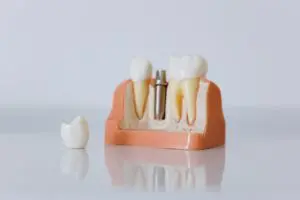
Imagine a titanium post that replaces the root of a missing tooth. It’s surgically placed into the jawbone. There, the dental implant fuses with the bone over time. After healing, a crown is attached to the top of the implant to restore the tooth’s appearance and function.
Benefits of dental implants:
- Look, feel, and function like natural teeth
- Maintain jawbone density and facial structure
- Can last 20+ years with proper care
What Is a Dental Bridge?
A dental bridge (as the term implies) bridges the gap of one or more missing teeth. It does so by anchoring a false tooth to natural teeth on either side of the gap.
Benefits of a dental bridge:
- Faster treatment with no surgery required
- Often more affordable initially
- Restores chewing ability and appearance quickly
- A good option when neighboring teeth need crowns anyway
Which Option Is Better for Your Oral Health?
From an oral health perspective, dental implants are often considered the gold standard. Because they integrate with the jawbone, they help prevent the bone loss that generally occurs after a tooth is lost. They also preserve the health of adjacent teeth by functioning independently.
However, a dental bridge can still be a great option, especially for patients who are not candidates for surgery. They’re also smart for those who might need a quicker fix or have budget limitations.
How to Decide: Implants vs. Bridge
When choosing between a dental implant and a dental bridge, here are a few key questions to consider:
- Are you healthy enough for oral surgery?
- Do you have enough jawbone for an implant?
- How important is long-term durability to you?
- Are cost or treatment time major concerns?
Trust Grand Avenue Dental to Help You Decide
Both dental implants and dental bridges are reliable ways to replace missing teeth. At Berks Oral Surgery, Dr. Winans and the team take the time to understand your situation and guide you toward the right treatment. Contact us today to schedule and take the first step toward a complete, confident smile.